

Choose between DTDC and parcel pooling by comparing the complete job. Check the courier’s service for your addresses, item, packaging and timing. For pooling, confirm a suitable existing journey, a willing traveller and both handoffs. Compare the full quote with the traveller contribution plus your other costs. Neither a small package nor a matching destination establishes that the arrangement will work.
You want to send a pair of shoes, some clothes or another compact personal item to somebody in a different Indian city. A courier quote is one option. Someone already travelling that way might be another.
They can look like two prices for the same task. They are not necessarily two arrangements with the same responsibilities.
I would compare the job before comparing the number. This is a domestic India decision guide, not a speed test, a live rate comparison or a claim that one option always wins. Official public descriptions and packaging guidance were reviewed on 4 November 2026.
DTDC booking and parcel pooling start with different arrangements
DTDC’s Personal Courier description provides a booking route with doorstep pickup or access-point drop-off and shipment tracking. It says pricing depends on weight, dimensions, distance and the selected service. Get the current option for your particular addresses and parcel rather than assuming a general description is a confirmed booking.
ShipdeHop ParcelPool starts with an appropriate item joining somebody’s existing journey. The sender, willing traveller and recipient need an arrangement that works at collection and delivery. A traveller going to the same city is a candidate, not a completed delivery plan.
The distinction matters most when something is missing. You might have a parcel and a destination but no practical collection point. Or a traveller may arrive when the recipient cannot meet. A courier quote and an incomplete pooling plan are not equivalent alternatives.
The table compares published operating descriptions and the practical checks they leave you to make. It does not claim either service has accepted your item.
| Decision | DTDC Personal Courier | ShipdeHop ParcelPool |
|---|---|---|
| How the arrangement starts | Courier booking and parcel handover | Suitable existing journey and participant agreement |
| Collection | Published pickup or access-point drop-off options, subject to your booking | Agreed sender-traveller location and time |
| Status information | Shipment tracking using the tracking number | Keep the agreed journey and handoff details clear, without assuming courier-style tracking |
| Cost to compare | Current quote for the actual parcel and service | Traveller contribution plus packaging and other handoff costs |
| What remains to establish | Item acceptance, packing, service availability and applicable terms | Item and journey suitability, capacity and both handoffs |
Reference DTDC official Personal Courier description: booking, tracking and pricing factors · ShipdeHop ParcelPool, browser planner and current app availability
Start with the item instead of calling it just a small parcel
Describe the actual contents. Small is a shape impression, not an acceptance rule. Two boxes of the same size can contain very different things and require very different handling. Do not hide an uncertain item behind the word gift.
For an ordinary clothing or shoe parcel, still check the selected service’s acceptance rules and the real packed weight and dimensions. If an item is fragile, valuable, restricted or needs special conditions, resolve that before asking which option is cheaper.
For pooling, the traveller needs enough information to decide what they are being asked to carry. A closed package accompanied only by the sentence trust me is not an adequate brief. Arrange appropriate contents inspection before sealing and follow the actual transport operator’s rules.
Read the prohibited-items guidance before discussing a ShipdeHop handoff. Do not treat a category on a website as shipment approval, and do not transfer another company’s permitted-item list to a traveller arrangement. If the item does not fit the service, changing the price does not fix it.
Reference ShipdeHop official identity, parcel inspection and handoff guidance
Packaging is part of the job whichever option you choose
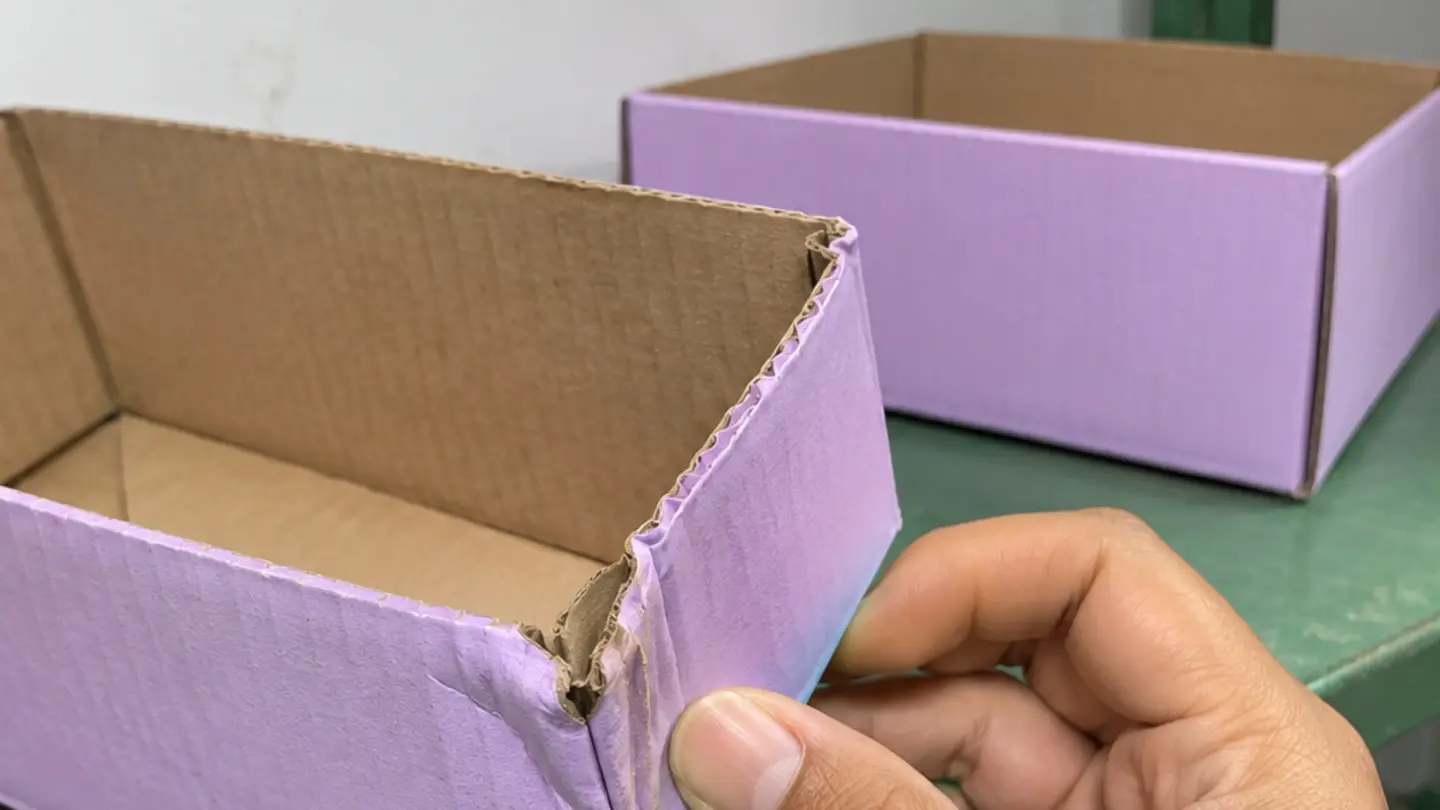
A small box can still have weak corners, worn seams or too much empty space. The practical question is whether the contents and outer package are prepared for the actual handling and journey. A recipient should not have to discover the packing decision by opening a broken parcel.
DTDC’s FAQ advises secure packing and cushioning for fragile items. Follow the requirements supplied with your selected booking, including any item-specific instructions. Do not assume that somebody collecting a parcel has agreed to pack it for you.
As a separate carrier example, Delhivery’s official packaging guidance considers dimensions, weight, fragility and physical state. It advises checking boxes for damage, selecting suitable protection and controlling movement inside the box. Those instructions illustrate why packaging is a real task, not a substitute for DTDC’s or another operator’s own requirements.
For a traveller arrangement, agree who supplies the packaging and when the contents can be inspected. If the prepared package changes after the first conversation, confirm the new bulk and handling needs. The traveller’s own luggage has not disappeared because you found a larger carton.
Reference DTDC official FAQs: packing, location-dependent timing and support · Delhivery official packaging guidelines, updated 9 November 2024 · ShipdeHop official identity, parcel inspection and handoff guidance
Use a timing gate before a price comparison
Write down the last useful arrival time and how much flexibility the recipient has. If the parcel is useful only before somebody leaves town, treat that as an essential constraint. Do not turn a preferred date into an invented delivery promise.
DTDC’s FAQ says delivery timing varies with location and service. Ask which option applies to your parcel, when it can be handed over and what the specific booking says about timing. A pickup happening today does not, by itself, establish delivery today.
For pooling, check collection before the traveller’s departure, the actual journey and a receiving window after arrival. Include the first and final connections rather than treating two city names as two meeting points.
Use the table as a stop/go conversation. It is a planning aid, not a prediction of delays.
| Question | Proceed only when | Pause when |
|---|---|---|
| Can the parcel be handed over in time? | The actual booking or collection arrangement fits | Only a general pickup claim or vague meeting exists |
| Can the recipient receive it? | A named person has accepted a workable receiving window | You are relying on an unasked neighbour or reception desk |
| Does the arrival fit the purpose? | The actual service or journey fits the need with acceptable flexibility | You need certainty the arrangement does not provide |
| Is there an agreed next step if it fails? | The relevant service terms or participants’ fallback are clear | Nobody knows who keeps the parcel or what happens next |
Reference DTDC official FAQs: packing, location-dependent timing and support · ShipdeHop ParcelPool, browser planner and current app availability
Compare a finished handoff, not a quote against one contribution
For DTDC, request a quote for the finished package and the actual origin and destination. Clarify what the quoted service includes and any applicable additional charges. If your plan involves visiting an access point, include the cost and time of doing that.
For pooling, list the traveller contribution, packaging, travel to collection, the recipient’s collection travel and any other agreed task. Keep assumptions visible. An amount offered to a traveller is not automatically the sender’s total cost.
ShipdeHop takes zero commission, now and always. That does not make packaging, local travel or a traveller contribution disappear. Equally, do not assume a courier quote is poor value because its number is higher than just one line of the alternative.
The cost-planning tools can help you organise your own figures. Do not insert a guessed courier rate, a hypothetical traveller or an advertised saving and call the result a market comparison. Get the actual answers first.
If one arrangement costs more but removes a collection trip you cannot make, that difference belongs in the decision. If pooling already fits an agreed journey and two easy handoffs, that can also matter. Neither conclusion needs a universal cheapest label.
Reference ShipdeHop ParcelPool, browser planner and current app availability
Ask two different questions because you are arranging two different jobs
For DTDC, try: I want to send [contents] from [origin pincode] to [destination pincode]. The finished package is [dimensions in cm] and [weight in kg]. Which service accepts it, what packing is required, what does the full quote include and what timing is stated for this booking?
Then ask how pickup or drop-off works, how you obtain the shipment reference and which official support route applies if the delivery does not go as expected. Do not assume that a message saying pickup scheduled means the item has been accepted into transit.
For a traveller, try: You are already travelling from [area] to [area] on [date]. Would this disclosed, prepared parcel fit your own journey and luggage? Can we agree collection at [place and window], delivery to [named recipient and window], the contribution and what happens if the journey changes?
The second question is not a courier booking written in friendlier language. It asks a person to accept a specific task within a trip they already planned. If one handoff remains uncertain, keep looking rather than describing the plan as confirmed.
Keep private addresses, contact details and parcel labels within the appropriate conversation. Do not publish identity documents or authentication codes as evidence that an arrangement is genuine.
Reference ShipdeHop official identity, parcel inspection and handoff guidance
Choose the arrangement whose unresolved questions you can actually close
A courier booking may suit a sender who wants to investigate a published shipping service for the actual parcel and addresses. Pooling may suit an appropriate item when a willing traveller and both handoffs genuinely fit. These are reasons to investigate, not endorsements of a live option.
Start a ParcelPool plan only with the real contents, route and collection details. The website holds a local planning draft, not an accepted shipment or reserved traveller. Current app options and participant agreement still need checking.
Read the safety guidance before a handoff. Aadhaar identity verification helps establish identity, but does not guarantee behaviour, delivery or personal safety. Follow the app’s collection and delivery confirmations at the actual exchange, and keep unrelated codes private.
As checked on 4 November 2026, the website lists the iPhone app as available and Android as coming soon. If you want updates instead, use the explicit-consent launch signup. Nothing here promises a particular route, rate or arrival time.
My rule is to choose the option you can explain from your door to the recipient’s hands. If the explanation contains and then somebody will sort it out, the decision is not finished.
Reference ShipdeHop ParcelPool, browser planner and current app availability · ShipdeHop official identity, parcel inspection and handoff guidance
Use the savings and contribution calculators with your own costs.
Questions, answered
Is parcel pooling always cheaper than DTDC for a small parcel?
No verified universal comparison is possible from the package size alone. Compare a current DTDC quote for the actual parcel and service with the traveller contribution plus packing, collection travel and other agreed costs. Check that both arrangements can complete the same task.
Can I assume a parcel will arrive today if it is collected today?
No. Ask for the timing stated for the selected courier service or check the actual traveller journey and both handoff windows. Same-day collection is not the same event as completed delivery. Choose an arrangement whose actual terms fit your deadline.
Does zero commission mean sending through ShipdeHop is free?
No. ShipdeHop takes zero commission, now and always, but a traveller contribution, packaging and local travel or other agreed costs can remain. Use your own complete figures rather than treating the commission rate as the whole delivery cost.
Who packs a parcel for a traveller handoff?
Agree that explicitly before collection. Describe the contents, arrange appropriate inspection before sealing, and confirm who supplies and prepares suitable packaging. Do not assume that a traveller has agreed to collect loose items, find a box or provide specialist handling.
What if nobody can receive the parcel at the destination?
Pause until there is a workable receiving arrangement. For a courier, check the selected service’s applicable delivery-attempt process. For pooling, agree a recipient and fallback with the traveller. Do not substitute an unagreed person or mark delivery complete before the actual exchange.
Sources and useful references
External source pages checked on 4 November 2026. The worked amounts are inputs for the decisions explained above.
- DTDC official Personal Courier description: booking, tracking and pricing factorsChecked 4 November 2026
- DTDC official FAQs: packing, location-dependent timing and supportChecked 4 November 2026
- Delhivery official packaging guidelines, updated 9 November 2024Checked 4 November 2026
- ShipdeHop ParcelPool, browser planner and current app availabilityChecked 4 November 2026
- ShipdeHop official identity, parcel inspection and handoff guidanceChecked 4 November 2026

I’m building ShipdeHop around useful connections between people, journeys and pre-loved things. Zero commission. Now and always.
Why I’m building ShipdeHop →