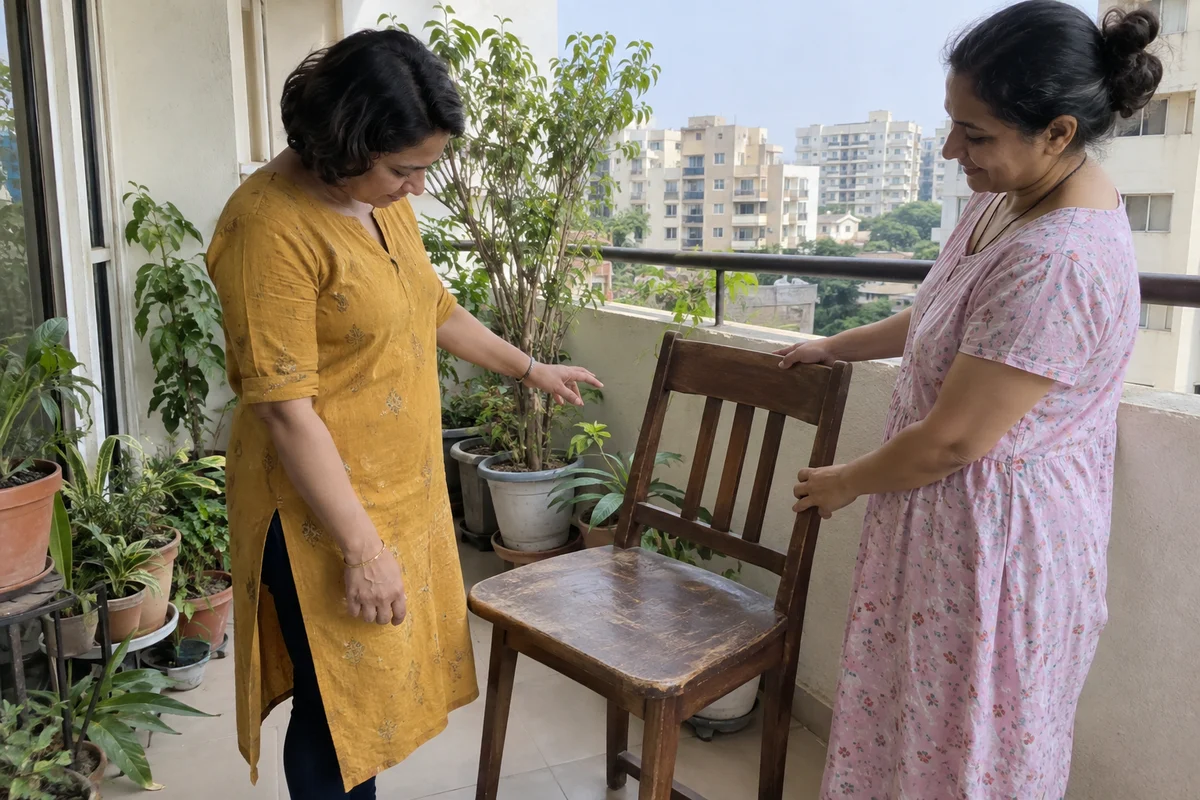
Before another person collects a used item for you, the buyer must define a short list of observable checks, the seller must disclose the item and make those checks possible, and the collector must agree only to checks they can reasonably perform. The collector should stop if the item, condition, accessories, ownership evidence, price or meeting plan differs from the written brief. Collection is not automatic technical certification.
“Please check it properly and bring it” sounds clear only to the person who already knows what “properly” means.
A buyer may imagine a full technical inspection. The collector may imagine one photo and a quick look for cracks. The seller may imagine that the deal is final the moment somebody arrives. Three reasonable people can still be carrying three different agreements.
My view is simple. Collection should begin with a written inspection boundary. The buyer decides what matters. The seller makes the item available for agreed checks. The collector performs only the checks they understood and accepted. Anything outside that boundary becomes a question, not a guess.
Separate observation, testing and judgement
The word inspect hides three different jobs. Observation means looking for something visible, such as a crack, stain, missing cable or model label. Simple testing means performing an agreed action, such as switching on a monitor or adjusting a chair height. Expert judgement means deciding whether a camera sensor is healthy, a bicycle frame is structurally sound or a branded item is authentic.
A collector can often observe. They may be able to perform a simple test when the seller provides time, power and access. They should not be assigned expert judgement by accident.
This distinction matters even for a phone. Apple’s own pre-owned iPhone guidance covers physical damage, Activation Lock, parts and service history, battery health, buttons, cameras, speakers and microphones. That is a structured device-specific inspection, not a casual instruction to “check if everything is fine”.
Write each required check as an action with an acceptable result. “Screen turns on with no visible black patch” is usable. “Phone is perfect” is not.
| Inspection level | Example | Collector boundary |
|---|---|---|
| Observe | Photograph scratches and model label | Usually reasonable if agreed |
| Simple test | Switch on and test one button | Only with seller access and time |
| Technical diagnosis | Judge battery or internal repair quality | Needs expertise or a specialist |
| Authenticity judgement | Confirm a luxury item is genuine | Do not assume the collector can certify it |
Reference Apple Support, If you want to buy a pre-owned iPhone
The buyer writes the inspection brief
The buyer owns the decision because the buyer will live with the item. Before collection, list the exact item, agreed condition, included accessories, acceptable defects, required documents and no-go differences.
Start from current evidence. Ask the seller for recent photos of the actual item, not catalogue images. The earlier seller photo checklist explains how to request a full view, identifier, defect close-up, included parts and current proof in one message.
Then reduce the request to five or fewer collection checks. If everything matters equally, nothing is actually prioritised. A collector with seven minutes at a public meeting cannot perform the work of a service centre.
Use the second-hand marketplace planner to record condition, inspection and included accessories before choosing a collection method. Keep private identity documents and authentication codes out of the description.
- Name the exact item and identifier.
- List the defects already accepted.
- Choose up to five required checks.
- Define the proof needed from the meeting.
- Write the stop conditions before collection.
 ShipdeHop
The seller makes inspection possible
The seller should describe the condition accurately, identify included and missing parts, disclose known faults and allow the agreed checks at the meeting. A test that requires power needs a charged item, socket or suitable arrangement. A serial-number check needs the label to remain visible.
OLX India’s buying guidance tells buyers to review the listing, inspect before payment, test where possible, check damage and missing accessories, compare the item with its description and verify relevant serial numbers, invoices, warranty cards or ownership documents. Those are useful categories, but a remote buyer must still translate them into instructions for the actual collector.
The seller also needs the inspection boundary. If the collector is expected to run a ten-minute camera test, say so before the meeting. Do not let a two-minute pickup suddenly become an unpaid quality-control shift.
If the seller refuses an agreed basic check or changes the item at the meeting, the collector should not improvise. The buyer can ask for another arrangement, a specialist inspection or a different item.
The collector reports evidence, not confidence
The collector’s job is to compare the actual item with the written brief. They can report what they saw, what they tested and what happened. They should avoid translating limited evidence into broad reassurance.
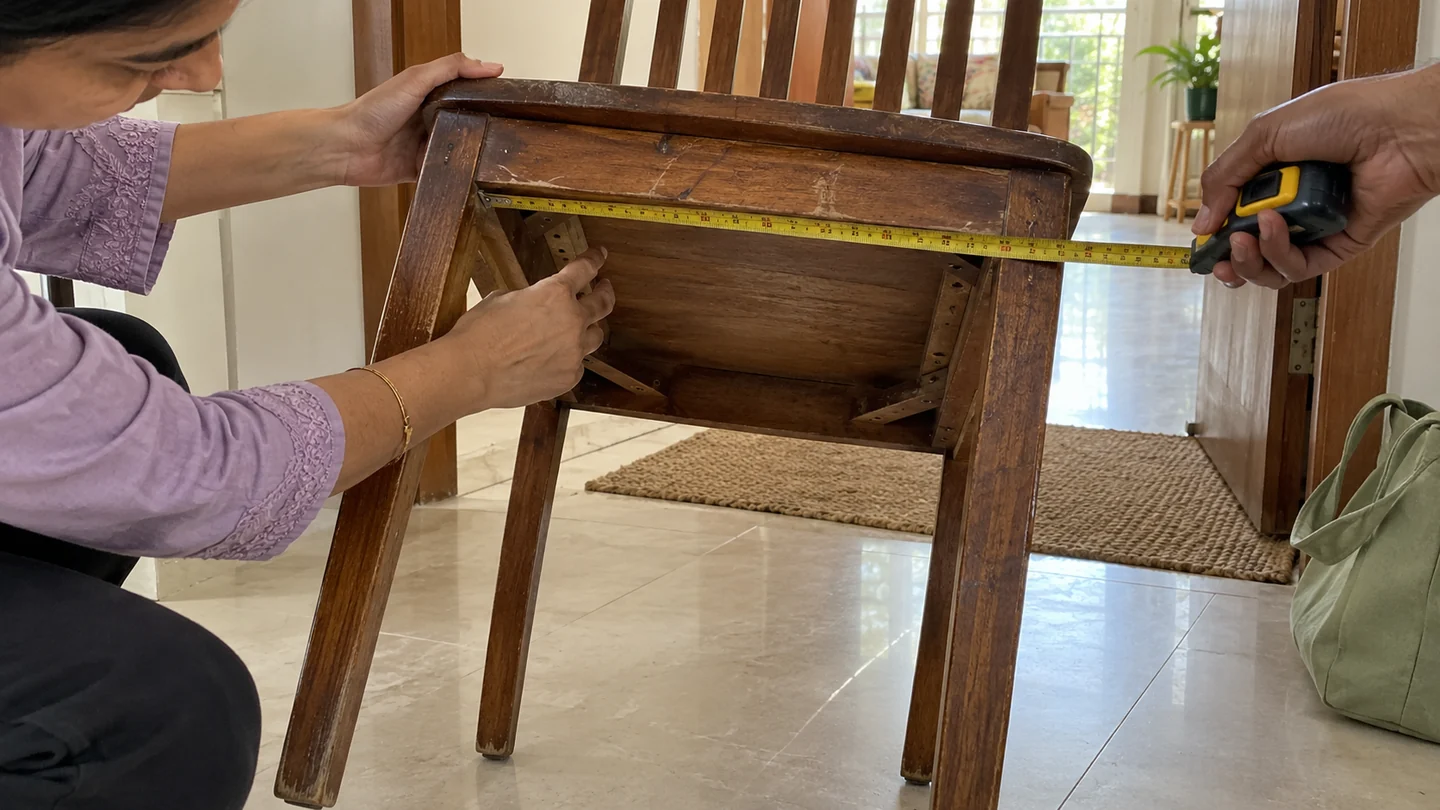
“The chair height lever moved up and down twice” is evidence. “The chair is in excellent condition” is a conclusion that may include upholstery, wheels, frame, smell, comfort and long-term durability. The buyer did not receive those checks merely because the sentence sounds comforting.
For devices, the difference becomes even clearer. Cashify publishes a long list of hardware, software, screen, button, lock, network and accessory tests used in its own phone evaluation process. That list illustrates why a managed diagnostic is a different task from asking a friend or traveller to look at a used phone.
This does not mean a collector is useless. It means their report becomes more useful when it stays precise. Photos, short videos and named test results let the buyer decide without borrowing the collector’s confidence.
Reference Cashify FAQ, What kind of tests are run on my phone and why
Use a category card, not one universal checklist
Different items fail in different ways. A chair needs dimensions, frame, joints, adjustment and access planning. A phone needs model identity, account lock status, display, battery information and core functions. A bicycle may need frame, wheels, brakes, gears and size. Books need edition, completeness, markings and moisture damage.
Choose the card that matches the item, then keep only the checks that matter to this purchase. The buyer may accept scratches but reject a missing charger. Another buyer may accept the missing charger but reject a replaced display. The condition label “good” cannot capture those priorities.
For expensive or safety-sensitive items, use a specialist. A collector should not be pressured to approve electrical safety, structural integrity, vehicle ownership or authenticity when they lack the access or expertise.
The safety page explains ShipdeHop’s identity and handoff boundaries. Aadhaar verification helps establish identity. It does not inspect an item, guarantee behaviour or certify authenticity.
| Item | Reasonable collection checks | Needs more expertise |
|---|---|---|
| Chair | Dimensions, visible cracks, lever movement, included parts | Hidden frame damage or infestation |
| Phone | Model, lock screen status, visible damage, agreed basic functions | Internal repair quality or board diagnosis |
| Bicycle | Size label, visible frame, wheels and agreed basic movement | Structural or mechanical safety certification |
| Books | Edition, count, markings, torn or wet pages | Rare-edition authentication |
Reference Apple Support, If you want to buy a pre-owned iPhone
 ShipdeHop
Write stop conditions before the meeting
A stop condition tells the collector when not to pay, accept or move the item. It protects the buyer from a rushed compromise and protects the collector from having to negotiate someone else’s standards.
Stop if the model or dimensions differ, a required accessory is missing, an undisclosed defect appears, the seller or meeting place changes without confirmation, ownership evidence is unavailable where relevant, or a required test cannot be performed.
For a used iPhone, Apple says not to buy when Activation Lock is enabled. That is a clear device-specific stop condition. Other categories need their own equivalent, based on the buyer’s priorities and any relevant manufacturer guidance.
A lower price does not automatically cancel a stop condition. The seller may offer ₹500 off after a new defect appears. The collector still needs the buyer’s written approval because the purchase itself has changed.
| Finding | Collector action | Buyer decision |
|---|---|---|
| Matches all required checks | Send evidence and confirm | Approve or decline |
| Minor difference allowed in writing | Record it and continue | No new decision needed |
| Unlisted defect or missing part | Pause before payment | Reprice, revise or decline |
| Identity, ownership or lock problem | Stop collection | Resolve separately or walk away |
Reference Apple Support, If you want to buy a pre-owned iPhone
Use one message for approval and handoff
The collector can send one compact report: “I am with the seller at the agreed location. The item and identifier match. I completed checks one to five. Results are [list]. I found [new defect or difference]. Included parts are [list]. I have attached the requested photos. Please reply APPROVE or DECLINE before the agreed cutoff.”
The buyer should respond to the evidence, not ask for vague reassurance. If a new issue needs a technical opinion, pause. The seller can choose whether to wait. The collector does not become responsible for solving the uncertainty simply because they are physically present.
Payment should follow the agreed process only after the buyer’s decision and the collector’s confirmation of the actual item. OLX warns against unknown payment links, QR codes and sharing OTPs or banking credentials. ShipdeHop also separates Aadhaar authentication, sign-in and handoff codes. Never send those secrets to another participant.
Finish with a handoff record that names the item, visible condition, included parts, payer, collector and recipient. A collector is most valuable when the boundary is clear. They are the buyer’s eyes for agreed evidence, not an automatic engineer, authenticator and warranty department.
Use the savings and contribution calculators with your own costs.
Questions, answered
Who should inspect a used item before collection?
The buyer should define what must be checked. The seller should disclose the condition and make agreed checks possible. The collector should perform only the visible or simple checks they understood and accepted. Technical diagnosis or authentication may require a specialist.
Can a traveller guarantee that a marketplace item works?
No. A traveller can report the result of agreed checks, such as whether an item switched on or a button responded. That limited evidence is not a guarantee of future performance, hidden condition or authenticity.
How many checks should I give the collector?
Keep the collection list short and prioritised, usually five or fewer checks. If the purchase needs a long diagnostic, arrange enough time and expertise rather than disguising it as a quick pickup.
What should make the collector stop?
Stop when the item, identifier, condition, accessories, price, seller, ownership evidence or meeting plan differs from the written brief, or when a required check cannot be completed. Ask the buyer before payment or collection.
Does Aadhaar verification confirm product quality?
No. Aadhaar verification helps establish identity within the app flow. It does not inspect the item, certify authenticity, guarantee behaviour or replace a category-specific inspection.
Sources and useful references
External source pages checked on 22 October 2026. The worked amounts are inputs for the decisions explained above.
- OLX India Help Center, Buying process on OLXChecked 22 October 2026
- Apple Support, If you want to buy a pre-owned iPhoneChecked 22 October 2026
- Cashify FAQ, What kind of tests are run on my phone and whyChecked 22 October 2026

I’m building ShipdeHop around useful connections between people, journeys and pre-loved things. Zero commission. Now and always.
Why I’m building ShipdeHop →